Inside the Terroir of Southern France
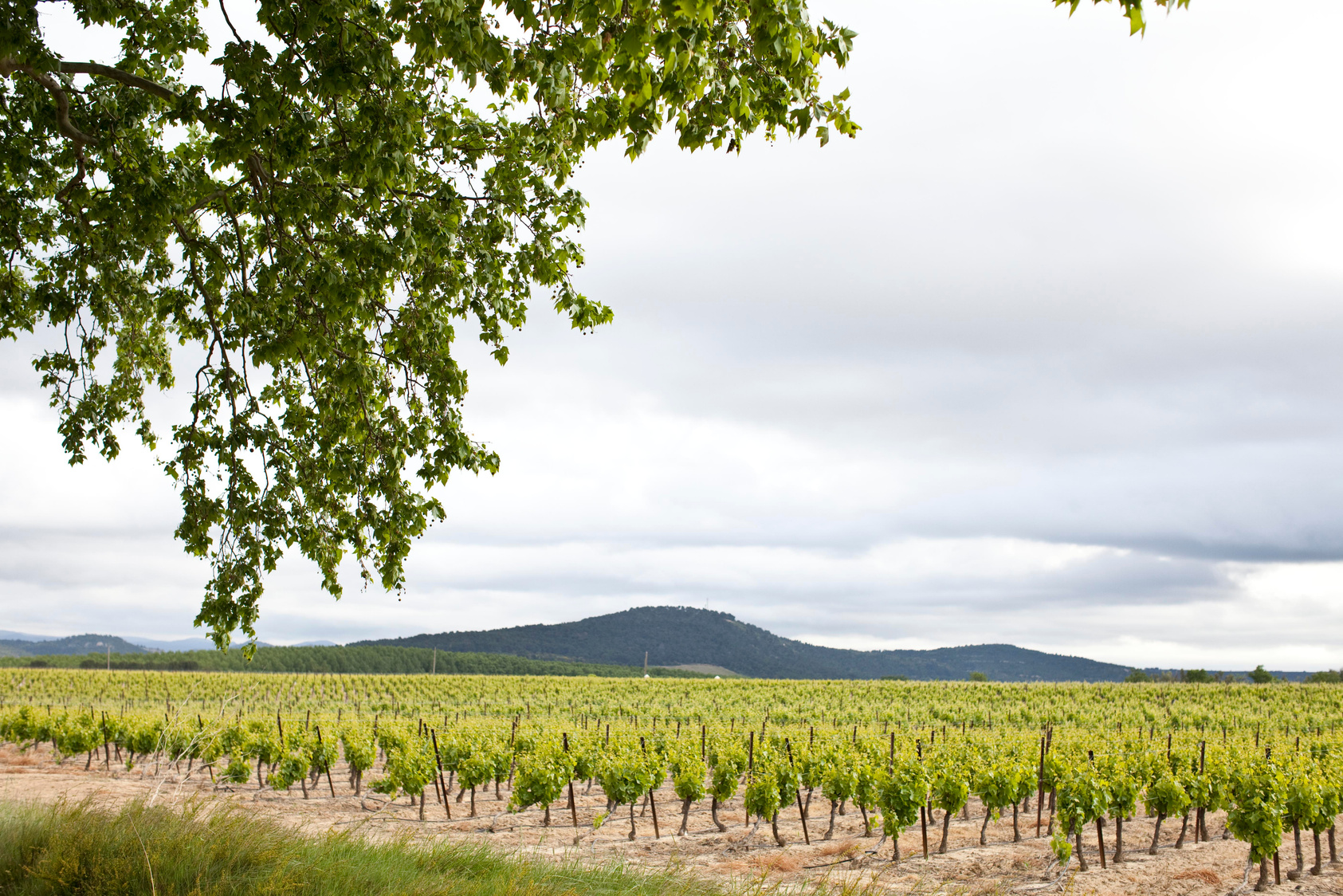
Every great wine begins with a sense of place. For BELA, that place is Southern France—a diverse landscape where ancient soils, changing climates, and generations of winemaking tradition come together to shape the character of every bottle.
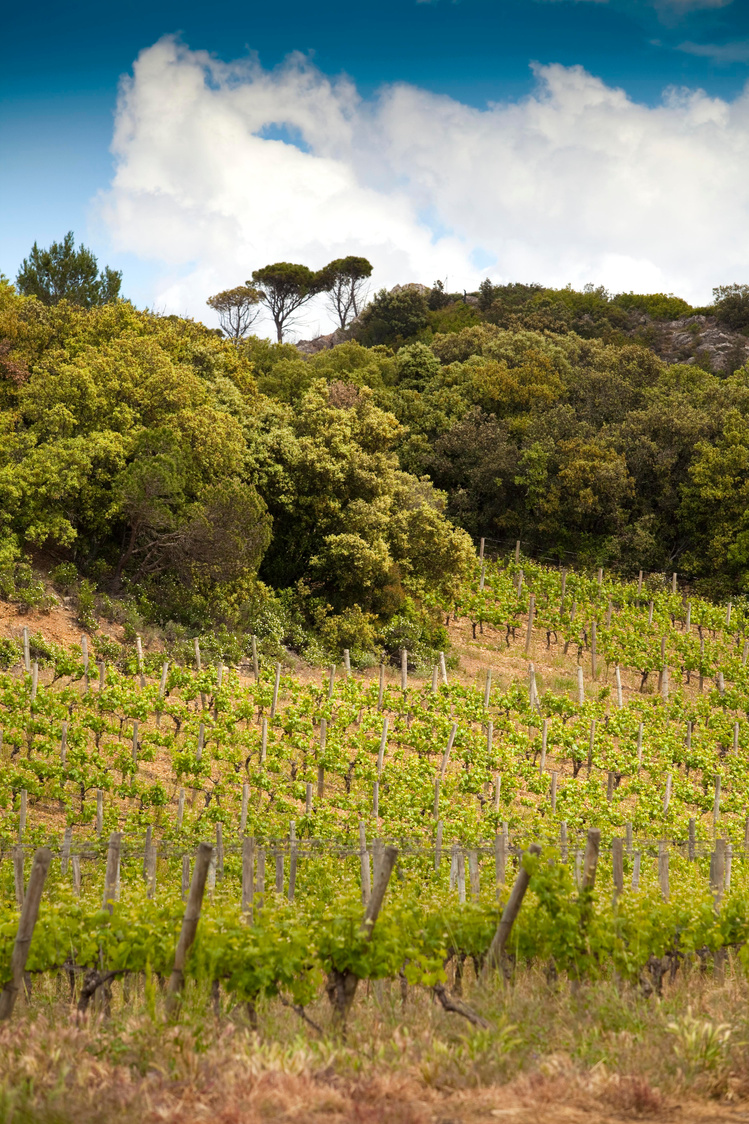
From the Pyrenean foothills to the Atlantic coast, the vineyards of Languedoc and Gascogne are influenced by a remarkable variety of soils. Limestone, schist, boulbènes, and clay each bring something different to the vine, creating wines with distinctive aromas, textures, freshness, and depth.
The Language of Terroir
The French word terroir describes the unique combination of soil, climate, landscape, and human tradition that gives a wine its identity. At BELA, terroir is at the heart of the story.
The same grape variety can express itself differently depending on where it is planted. A limestone hillside may encourage wines with bright freshness and mineral character, while clay-rich soils can contribute structure, depth, and generous fruit.
It is this diversity that makes Southern France such an inspiring home for wine.
Limestone: Elegance & Freshness
Across parts of Southern France, limestone soils provide an ideal foundation for vines. These pale, mineral-rich soils are often associated with wines that show freshness, balance, and an elegant structure.
Limestone can help create wines with a refined character, allowing delicate fruit aromas to shine while maintaining a refreshing finish. For BELA, these qualities contribute to wines that feel vibrant yet beautifully composed.
Schist: The Character of the Hills
In the hillier landscapes of Languedoc, schist adds another dimension to the terroir. Formed through geological processes over millions of years, schist is a layered rock that can absorb and retain warmth while allowing roots to explore deep into the earth.
Vines growing in schist-rich soils can produce grapes with concentration and distinctive mineral character. The result is a style of wine that can combine depth, intensity, and elegance.
Boulbènes: The Soils of Gascogne
Moving west toward Gascogne, the landscape and soils begin to change. Here, boulbènes—fine, silty soils often associated with the region—form part of the complex foundation beneath the vineyards.
These soils contribute to the unique agricultural character of the region, helping vines develop in a landscape shaped by the influence of both the Pyrenees and the Atlantic.
The combination of soil, rainfall, sunshine, and cooling Atlantic influences creates conditions where grapes can develop expressive aromas while retaining freshness.
Clay: Structure & Depth
Clay soils are another important part of Southern France's vineyard landscape. Their ability to hold water can help vines through warmer and drier periods, supporting steady growth and balanced grape development.
Clay can contribute to wines with a sense of roundness, structure, and depth. When combined with other soil types, it becomes part of the intricate natural balance that gives each vineyard its individual personality.
From the Pyrenees to the Atlantic
One of the most fascinating aspects of Southern France is the diversity found across relatively close regions. The Pyrenean foothills bring elevation and mountain influences, while the Atlantic coast introduces maritime conditions that can moderate temperatures and influence rainfall.
Between these two influences lies a rich mosaic of vineyards, villages, hillsides, and soils. Every location tells a slightly different story, and every vineyard adds another layer to the character of the region.
Where Soil Becomes Wine
At BELA, terroir is not simply a technical term—it is a connection between the land and what appears in your glass.
Limestone brings freshness. Schist brings character. Boulbènes bring regional expression. Clay brings structure. Together, these soils form part of the landscape that inspires BELA wines.
Ultimately, a bottle of wine is a journey back to the place where it began. With every sip, BELA invites you to discover the landscapes of Southern France—from the foothills of the Pyrenees to the Atlantic coast—and experience the unique character that the land gives to every wine.
BELA — shaped by the land, inspired by Southern France.